
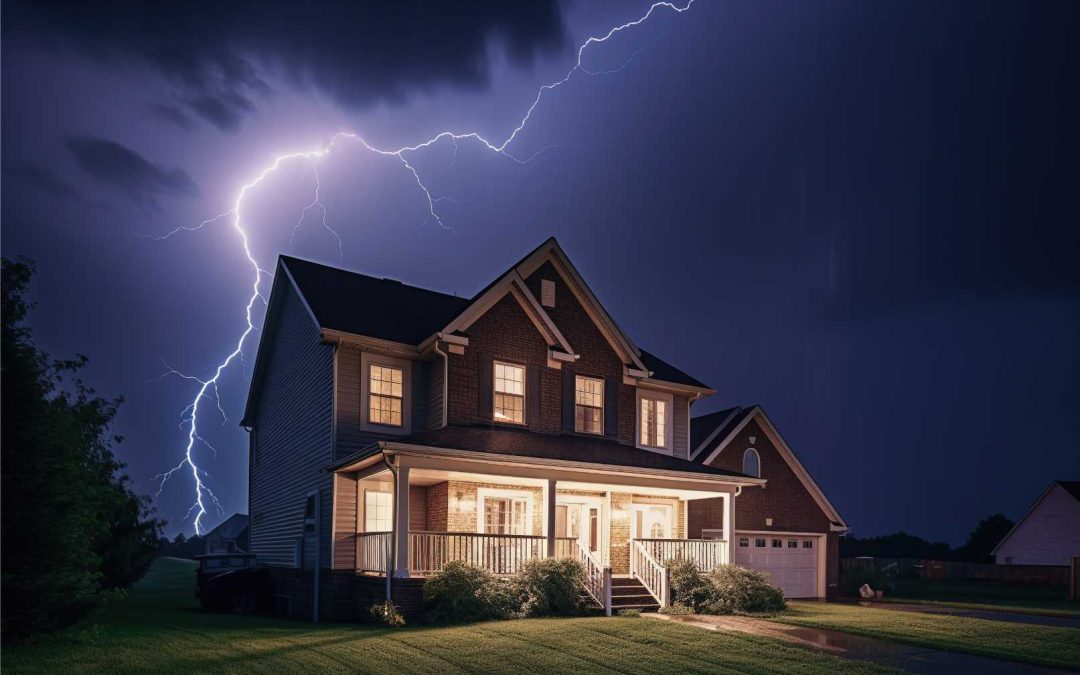
As a Minnesota homeowner, you know that our weather can turn on a dime. One day it’s sunny and calm, and the next we could be facing heavy rain, damaging hail, strong winds, or even a blizzard. At Angell’s Construction, we’ve seen firsthand the impact these storms can have on homes in our community. That’s why we’re passionate about helping our neighbors in Becker and across Minnesota prepare their properties to weather any storm season. We believe that proactive preparation is the best way to minimize damage, ensure your family’s safety, and maintain the long-term value of your home.
Minnesota’s weather presents a unique set of challenges throughout the year. We experience everything from intense summer thunderstorms to severe winter blizzards. Understanding the typical storm patterns in our region is the first step in effective preparation. Heavy rainfall and the resulting flooding can occur at any time, but are particularly prevalent during the spring thaw and summer months . Hailstorms, ranging from small nuisance hail to large, damaging stones, are also a significant risk, especially during the warmer seasons . High winds and tornadoes, while statistically less frequent than other storm types, can cause significant and sudden destruction, with the peak season generally running from May to September . Finally, the long Minnesota winters bring the threat of snow and ice storms, which can lead to power outages, structural damage from ice dams, and hazardous conditions . It’s worth noting that even within our local area, such as Dodge County where our business is located, there’s a history of significant tornado events, highlighting the importance of being prepared for even the less frequent, but potentially more severe, weather phenomena .
One of the most critical aspects of storm preparedness is ensuring your roof is in top shape. Your roof is your home’s first line of defense against the elements, and any vulnerabilities can be exploited during a storm. We always advise homeowners to conduct regular roof inspections, ideally in the spring and fall . Look for shingles that are cracked, curled, loose, or even missing. These seemingly small issues can allow water to penetrate, leading to leaks and more extensive damage. Pay close attention to the flashing around your chimney, vents, and skylights. Damaged or improperly secured flashing can be a major entry point for water . Don’t forget your gutters and downspouts! These are essential for directing water away from your home’s foundation. Make sure they are clear of leaves, twigs, and other debris that can cause blockages and lead to water backing up under your eaves or pooling around your foundation . While you’re at it, inspect your soffits and fascia for any signs of rot, damage, or gaps that could allow pests or moisture to enter .
Maintaining your gutters is an ongoing task, especially here in Minnesota where we experience significant leaf fall and snowfall. We recommend cleaning your gutters at least twice a year – once in the fall after the leaves have dropped and again in the spring . Ensure your downspouts are not clogged and that they direct water at least several feet away from your foundation . For added convenience and to reduce the frequency of cleaning, consider investing in gutter guards, which can help prevent debris buildup . Another important tip is to trim back any tree branches that overhang your roof . These branches can be weakened by storms and may fall onto your roof, causing significant damage. We generally recommend maintaining at least six feet of clearance between your roof and any tree branches . Securing the flashing around roof penetrations is also crucial. Make sure it’s tightly fastened and free from rust or cracks . If you have any objects on your roof, such as satellite dishes or antennas, ensure they are securely mounted . When it comes to roof replacements, we often suggest homeowners consider upgrading to impact-resistant shingles, which can offer better protection against hail – a common occurrence in Minnesota . Exploring durable roofing materials like asphalt shingles or metal roofing can also be a wise long-term investment for our climate . A crucial aspect of roof maintenance that sometimes gets overlooked is proper ventilation and attic insulation. In the winter, inadequate ventilation can lead to uneven snow melting and the formation of ice dams, which can cause significant leaks and damage to your roof and interior . Ensuring your attic is well-ventilated and properly insulated is a key step in preventing these issues.
Your home’s siding also plays a vital role in protecting it from the elements. Regular cleaning and inspection are essential for maintaining its integrity. We advise homeowners to clean their siding at least once a year using a mild soapy water solution and a soft brush to remove any dirt, grime, or mildew that has accumulated . While cleaning, take the opportunity to inspect your siding for any cracks, dents, loose panels, or signs of water damage, particularly around windows and door frames . Promptly repairing any cracks, holes, or loose panels is crucial to prevent moisture from getting behind the siding and causing further damage . Reapplying caulk around windows and other openings where you see cracking can also help create a better seal against the elements . In Minnesota’s climate, it’s also important to protect your siding against moisture and pests. Ensure all seals are intact to prevent water intrusion and check for any signs of pest infestations, sealing off any entry points you find . When considering new siding, we often recommend exploring durable and weather-resistant options like fiber cement or steel. These materials tend to hold up much better against Minnesota’s harsh weather conditions compared to traditional vinyl or untreated wood, potentially saving you time and money on future repairs .
Windows and doors are other potential entry points for wind and water during a storm. Regularly checking and maintaining these areas is essential. Inspect the weatherstripping around all your windows and doors for any signs of damage or wear and tear, and replace it as needed to ensure a tight seal . Examine the caulking around the window and door frames, and re-caulk any gaps or cracks you find to prevent drafts and water leaks . For older homes with single-pane windows, consider the added protection of installing storm windows . If you’re thinking about replacing your windows, we often suggest exploring options with impact-resistant glass, which can offer enhanced protection against hail and windborne debris . Make sure the window and door frames themselves are in good condition – not damaged, warped, or rotting – as this can compromise their ability to seal properly . Repairing or replacing damaged frames is an important step in weatherproofing your home . In the event of a severe storm warning, especially one with high winds and the potential for flying debris, consider taking the extra precaution of covering your windows with plywood or storm shutters for added protection . Maintaining your windows and doors properly not only safeguards your home against storm damage but also contributes significantly to your home’s energy efficiency by preventing drafts and heat loss during our cold Minnesota winters .
The foundation is the base of your home’s structural integrity, and protecting it from storm-related damage is paramount. One of the most important steps is to ensure proper drainage away from the foundation . The ground around your foundation should ideally slope downwards by about six inches for every ten feet to help direct rainwater away from the base of your home . Make sure your downspouts extend at least five feet away from the foundation to prevent water from pooling near the base . If you’ve experienced issues with groundwater, you might consider installing or maintaining French drains to help manage subsurface water . If your home has a sump pump, it’s crucial to ensure it’s functioning correctly, especially before the storm season begins . Regularly check that the pump basket is clear of any debris and that the pump turns on and off as expected . Given the frequency of power outages during severe storms, installing a battery backup for your sump pump can provide crucial protection against basement flooding . In Minnesota, we also need to be particularly mindful of the risks posed by the freeze-thaw cycle . This cycle of freezing and thawing can cause the ground to expand and contract, potentially leading to cracks, shifting, and heaving in your foundation. Ensuring adequate insulation around your foundation can help prevent the ground beneath from freezing . During the winter months, it’s also a good idea to remove any significant snow accumulation from around your foundation to reduce moisture buildup . Finally, keeping your gutters clean helps prevent water from saturating the soil around your foundation, which can exacerbate freeze-thaw damage .
Don’t forget about your yard! Outdoor items can easily become hazards during a storm, especially in high winds. Before a storm hits, take the time to bring inside or securely tie down any patio furniture, umbrellas, grills, and other outdoor decorations that could be carried away by strong winds . Bungee cords or heavy-duty twine work well for securing these items . Make sure your trash and recycling bins are stored in a secure location where they won’t be tipped over or blown around . Any other loose items in your yard, such as tools or toys, should also be secured to prevent them from becoming dangerous projectiles in high winds . When it comes to landscaping, regular trimming of trees and bushes can significantly reduce the risk of falling branches damaging your home . Some homeowners even consider strategically planting trees and shrubs to act as natural windbreaks for their property . Taking these simple steps to secure your yard can help prevent damage to your own belongings and also reduce the risk of injury or damage to neighboring properties .
Being prepared for a storm also means having an emergency kit readily available. This kit should contain essential supplies to help you and your family stay safe and comfortable in the event of a power outage or other emergency.
Having a well-stocked emergency kit ensures that your family can be self-sufficient for several days if a severe storm hits or a power outage occurs. It provides essential comfort and safety until help arrives, as emergency services may be stretched thin during widespread events .
When a storm is imminent, stay informed by monitoring weather alerts through your radio, TV, or weather apps . During severe weather like tornadoes or high winds, seek shelter in the safest part of your home, such as a basement or an interior room away from windows. If flooding occurs, avoid contact with electrical equipment or standing water. If the power goes out, use flashlights instead of candles to prevent fire hazards . And remember, never attempt to drive through floodwaters – turn around, don’t drown.
After the storm has passed, your first priority should be safety. Check for any hazards like downed power lines before venturing outside . Once it’s safe, carefully assess your property for any damage to the roof, siding, windows, and foundation . Thoroughly document all the damage with photos and videos, as this will be crucial for your insurance claim . Contact your insurance company as soon as possible to report any significant damage and begin the claims process . Take temporary measures to prevent further damage, such as covering any roof leaks with tarps . And of course, don’t hesitate to contact us at Angell’s Construction for a professional damage assessment and expert repair services. We’re here to help you get your home back in shape after a storm . Remember, prompt and thorough documentation of any storm damage is essential for a smooth and successful insurance claim process in Minnesota .
At Angell’s Construction, we are deeply committed to serving our community and ensuring the safety and security of your homes. We hope this guide provides you with valuable information on how to prepare your Minnesota home for the storm season. Remember, being proactive is the best defense against the unpredictable forces of nature. If you have any questions or need assistance with storm preparedness advice, inspections, or repairs, please don’t hesitate to reach out to us. We’re here to be your trusted partner in keeping your home safe and sound, no matter what the Minnesota weather brings. You can contact us today for a free consultation and let us help you prepare for the next storm season.